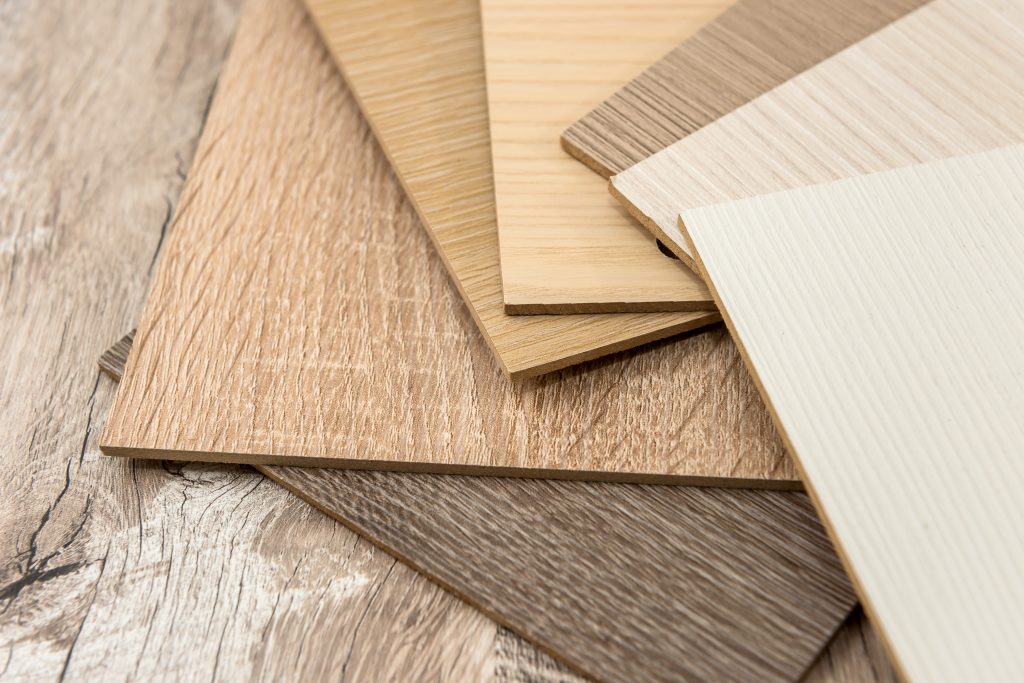
In the world of manufactured wood products, synchronized plywood is one of the most major technological advancements in recent years. Synchronized plywood has opened a new chapter in interior design and furniture production for its exceptional realism and tactile experience for manufactured wood products. Plymont, the Best plywood manufacturer in Kerala has led this technological revolution in engineered wood and blended the limits of what engineered wood can become. Let’s take a closer look at the technology behind synchronized plywood, and review Plymont’s many innovations and new standards that are paving the way for new advances in the industry.
Understanding Synchronized Plywood: Beyond Ordinary Laminates
Conventional decorative plywood generally has a printed pattern on a plywood core with a top layer of melamine. Although these products work, they often lack reality. The printed grain is rarely aligned with the texture of the plywood beneath the surface, creating inconsistencies between what you see and what you feel.
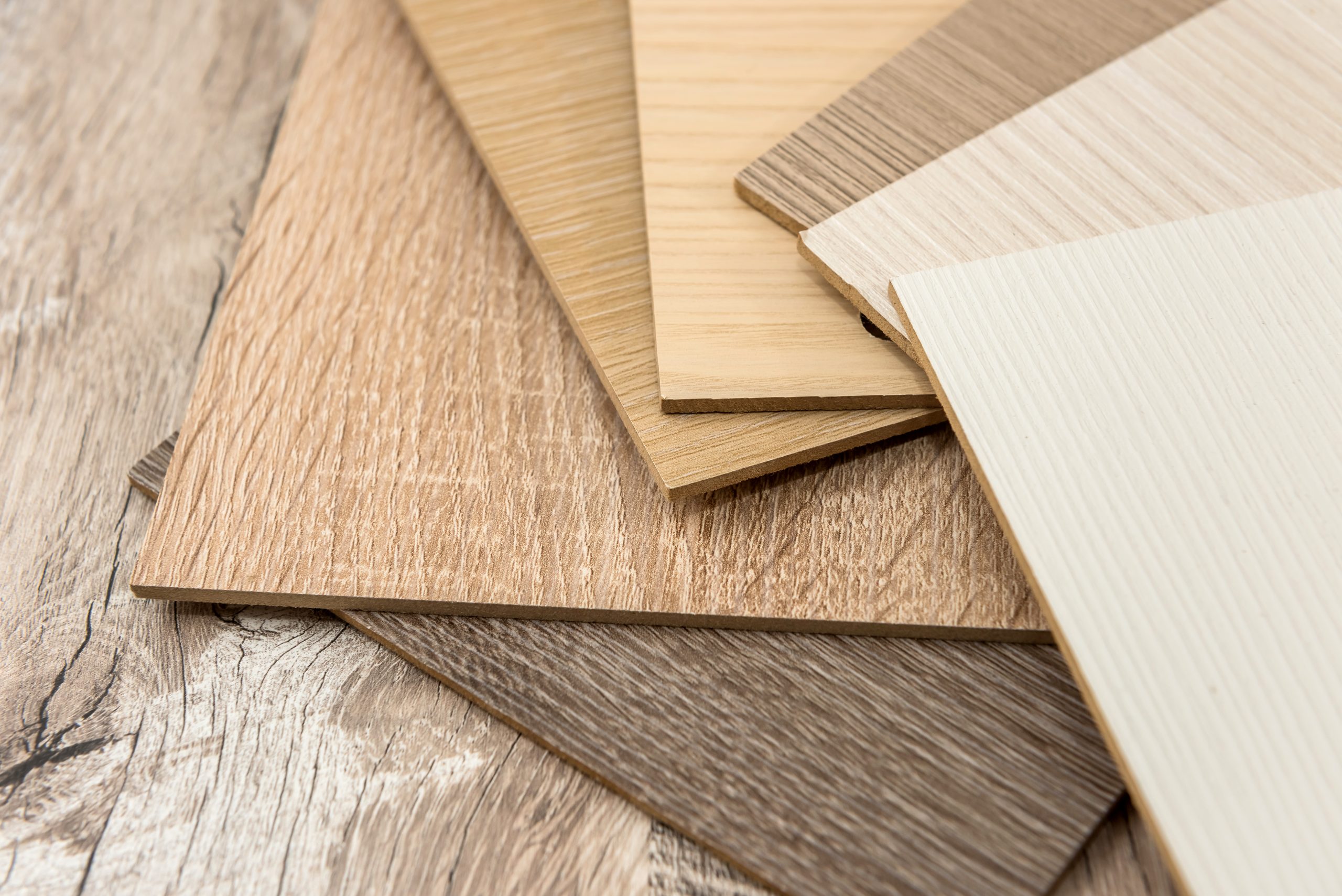
Synchronized plywood entirely changes this reality. The technology brings the visual wood grain pattern into perfect alignment, or synchronization, with the real-life texture embossed on the top. When you run your hand across synchronized plywood, you feel the ridges and valleys at the exact locations that they appear visually, providing a user experience closely resembling solid wood.
The Manufacturing Process: Precision Engineering at Work
To manufacture synchronized plywood involves intricate and technologically sophisticated processes with high engineering precision and quality control;
1. High-Definition Decorative Paper Production
The journey starts with ultra-high-resolution images of fine wood species. The images then undergo digital processing to enhance the natural features of the wood while ensuring that the images are fully replicable. The decorative papers are printed using digital means, which are now incredibly sophisticated in being able to reproduce fine detail in wood grain texture.
2. Custom Press Plate Development
One of the most important components of the technology is the production of inlaid plates. The plates are manufactured using microscopic precision standards to the design of the decorative paper. The plates are created using computerized engraving technology with varying depth to match the visual character of the wood grain.
3. Synchronized Pressing Technology
As the decorative paper is applied, it is perfectly aligned directly over the press plate. The plywood core is then added to the paper and press plate. Through both heat and pressure, paper, press plate, and plywood core are fused together. The advance in technology here is the perfect registration between the visual pattern and physical texture requires tolerances measured in microns.
4. Advanced Resin Systems
The bonding agents used in synchronized plywood are not basic adhesives. Plymont uses proprietary resin formulations that provide the best in bonding capabilities while allowing for the right transfer of texture from its press plates to its products. This also provides durability in the end product and protection from moisture and wear.
Plymont’s Technological Innovations
Plymont, a Top plywood brands in Kerala, has incorporated many proprietary innovations that have helped advance the technology of synchronized plywood:
Enhanced Registration System (ERS)
Plymont’s Enhanced Registration System is a truly remarkable advancement in synchronization technology. This computer-controlled system incorporates optical recognition that guarantees ideal alignment of the decorative paper with the press plate, reducing misalignment to less than 0.1mm, a feat thought impossible in the production of wood-based panels.
Multi-Dimensional Texture Technology (MDT)
Although most synchronized plywood only has texture alignment, Plymont is the first and only company to offer MDT technology which allows for varying depths and multiple textured layers. This creates a more complex, realistic surface that mimics all of the characteristics of real wood. MDT captures all the obvious grain pattern, but also captures characteristics normal to the wood grain such as pores, knots and growth rings.
Sustainable Production Integration
Plymont is at the forefront of blending environmental stewardship with high-tech manufacturing. Their closed loop water systems and energy recovery processes have reduced the environmental impact of synchronized production of plywood by over 40% compared to industry standards, while also improving the quality and accuracy.
Quality Control Automation
The company has created AI-enabled quality controlling systems that evaluate each panel for visual and textural blemishes. This consistency is vital when producing for larger scale architectural and furniture jobs.
Applications and Benefits of Synchronized Plywood
The advancements in synchronized plywood technology have led to far-reaching applications:
- Premium Furniture Manufacturing: The authentic look and feel add a very natural appearance for high-end furniture that rivals solid wood for looks.
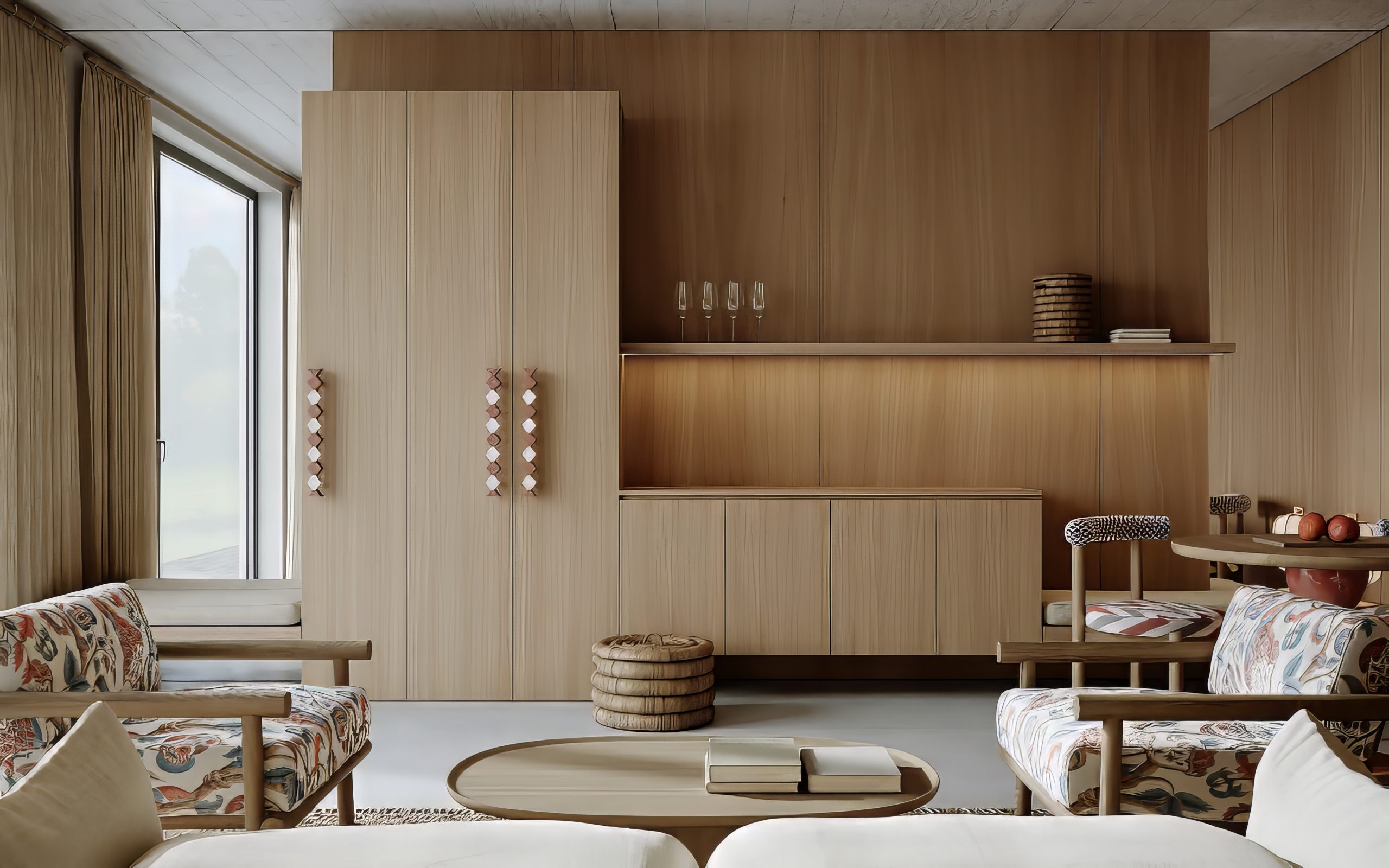
- Architectural Paneling: Large-format synchronized panels offer beautiful wall features that have a consistent pattern across the wall with required size and shape control.
- Kitchen and Bath Cabinetry: Moisture resistance and authentic appearance makes synchronized plywood an ideal solution for these impactful and demanding environments.
- Commercial Interiors: Durability with visual appeal makes synchronized plywood and attractive choice for retail and hospitality interiors.
The benefits go well beyond aesthetics:
- Resource efficiency: Premium wood appearance using dramatically less hardwood resource.
- Consistency: Predictable patterns and colors without the randomness usually associated with natural wood in large areas.
- Performance: Authoritative improvements in durability and resistance to environmental factors compared to both natural wood and traditional decorative plywood.
The Future of Synchronized Plywood Technology
Plymont is the Top Plywood Manufacturer in Kerala, India and continuously invests in research and development to push the limits of synchronized plywood technology. Current areas of innovation include:
- Integration of antimicrobial properties into the synchronized surface
- Super-matte finishes that are completely synchronized
- Hybrid forms of materials that combine wood and recycled content
- Texturing capabilities that include stone and textile materials
Conclusion: Leading Through Technological Excellence
Synchronized plywood technology is a perfect blend of traditional woodworking expertise and state-of-the-art manufacturing technology. Plymont Plywoods has positioned itself as a trailblazer in synchronized plywood furthering numerous investments into research and development who are developing products that have more resemblance and perform better than wood products before it.
Whether you’re working on a high-end residential project, commercial interior, or custom furniture design, Plymont Plywoods has synchronized plywood solutions with unbeatable technology and service to the timeless and unique beauty that is wood, leading a revolution in engineered wood technology that will continue to challenge and elevate the industry.